
Introduction
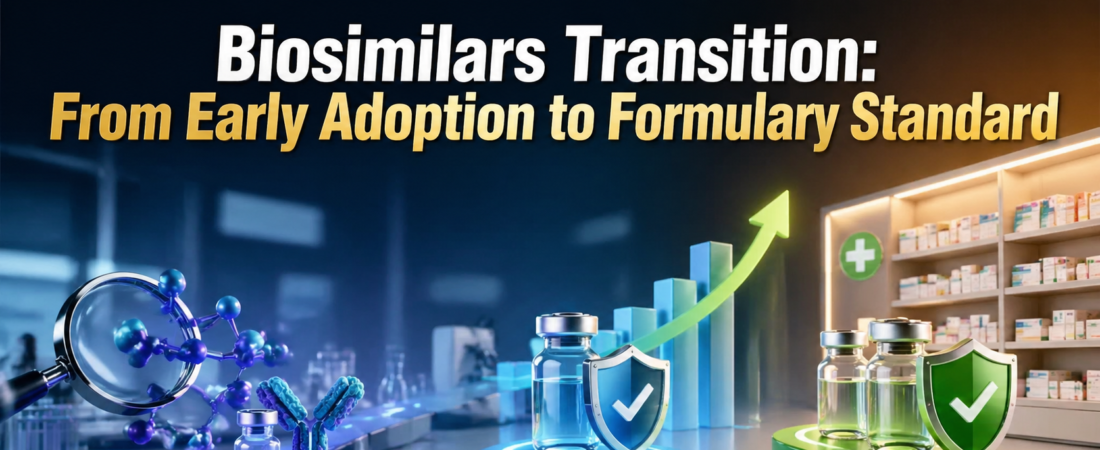
Biosimilars transition from early adoption to formulary standard represents a major shift in modern pharmaceutical practice. Biosimilars, which are highly similar to approved biologic drugs, are increasingly being adopted due to their cost-effectiveness and comparable efficacy.
Healthcare systems worldwide are now integrating biosimilars into standard formularies, transforming prescribing practices and improving patient access to biologic therapies.
What Are Biosimilars?
Biosimilars are biologic medical products that are highly similar to an already approved reference biologic drug, with no clinically meaningful differences in safety, purity, and potency.
- Derived from living organisms
- Comparable efficacy and safety to reference product
- Lower cost compared to original biologics
- Approved through stringent regulatory pathways
Early Adoption of Biosimilars
The initial adoption phase of biosimilars faced several challenges and barriers:
- Lack of awareness among healthcare professionals
- Concerns about safety and immunogenicity
- Limited clinical experience
- Regulatory uncertainties
Despite these challenges, early adopters demonstrated that biosimilars are effective and safe alternatives to biologics.
Drivers of Transition to Formulary Standard
-
Cost Reduction
- Biosimilars significantly reduce treatment costs, improving affordability and accessibility.
-
Clinical Evidence
- Extensive studies confirm comparable efficacy and safety to reference biologics.
-
Regulatory Support
- Strong guidelines from regulatory authorities encourage biosimilar adoption.
-
Healthcare Policy Changes
- Governments and institutions promote biosimilars to reduce healthcare expenditure.
-
Increased Physician Confidence
- Growing real-world evidence has improved trust among healthcare professionals.
Formulary Inclusion of Biosimilars
Biosimilars are now being included in hospital and national formularies as standard treatment options.
- Preferred over originator biologics in many cases
- Used in oncology, rheumatology, and endocrinology
- Supported by insurance and reimbursement policies
Challenges in Biosimilars Transition
- Interchangeability concerns
- Physician and patient resistance
- Pharmacovigilance requirements
- Complex manufacturing processes
Role of Pharmacists in Biosimilars Adoption
Pharmacists play a key role in facilitating the transition:
- Educating patients and healthcare providers
- Ensuring safe substitution practices
- Monitoring adverse drug reactions
- Supporting formulary decision-making
Comparison: Biologics vs Biosimilars
| Parameter | Biologics | Biosimilars |
|---|---|---|
| Cost | High | Lower |
| Development Time | Long | Shorter |
| Similarity | Original Product | Highly Similar |
| Regulation | Strict Approval | Comparative Approval Pathway |
| Market Access | Limited by cost | Improved accessibility |
Future Outlook
The transition of biosimilars into formulary standards is expected to continue globally.
- Increased global adoption
- Expansion into new therapeutic areas
- Improved regulatory frameworks
- Greater healthcare cost savings
Conclusion
Biosimilars transition from early adoption to formulary standard marks a significant advancement in pharmaceutical care. With growing clinical acceptance, regulatory support, and economic benefits, biosimilars are becoming essential components of modern healthcare systems. Understanding this transition is crucial for M Pharm students and professionals.